

Clinical question
In children presenting to an emergency department with suspected septic shock and abnormal perfusion, does using a balanced crystal...
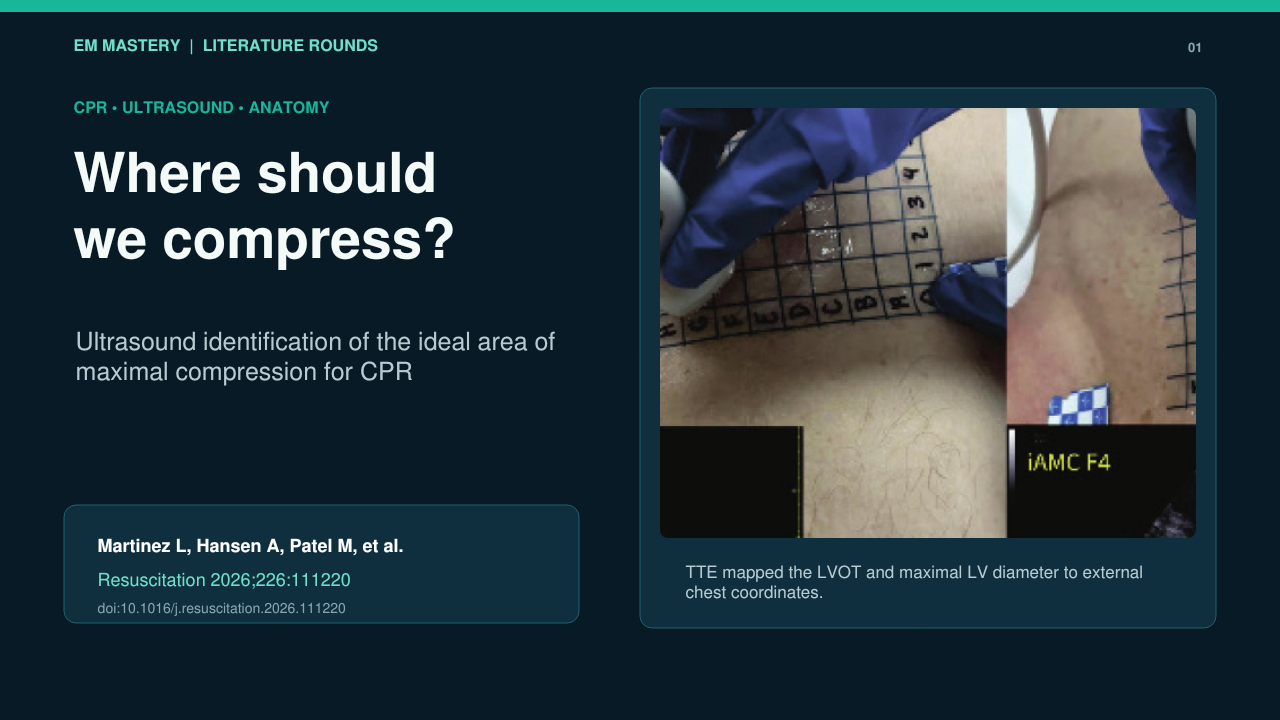
Maximising our efforts during cardiac resuscitation, means maximising our chest compressions to achieve the best cardiac output possible. The reality ...
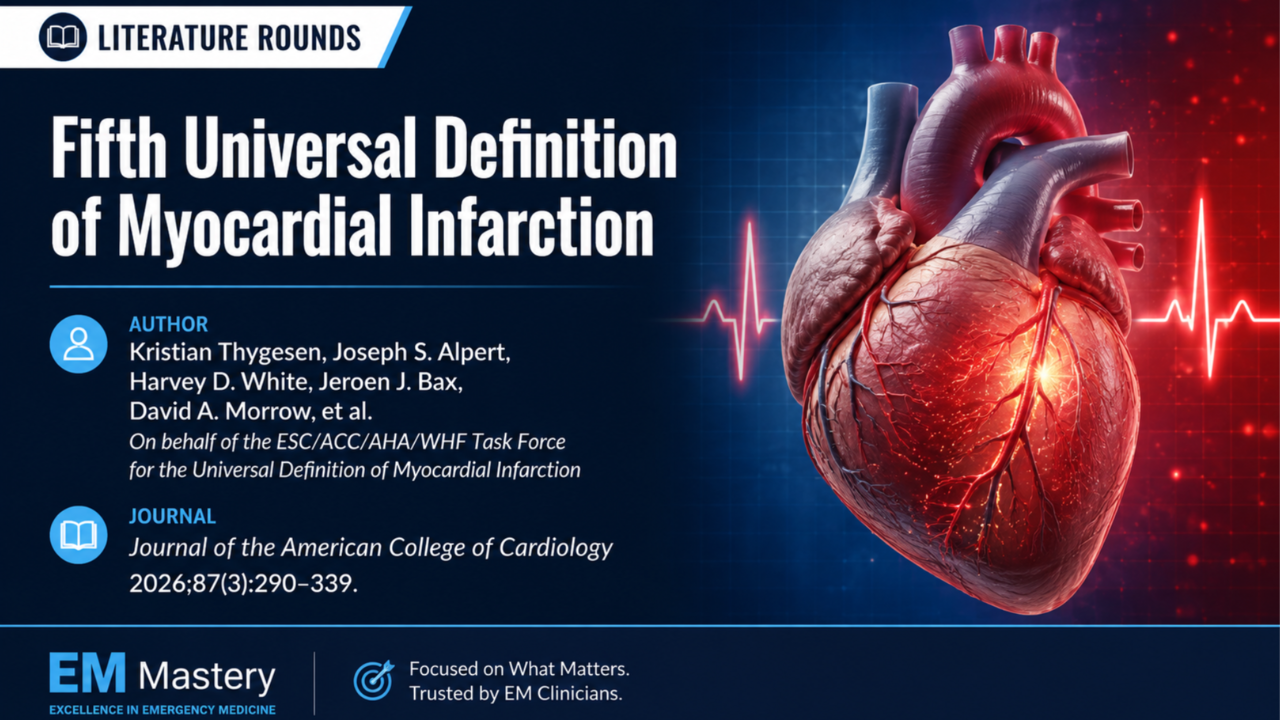
The Fifth Universal Definition of Myocardial Infarction represents a major conceptual update in the way myocardial infarction is classified and diagno...

QUESTIONS- Scroll to the bottom of the page for the answers.
1. Which of the following is part of a definition of an uncomplicated boxer's fracture?(...

Introduction
Atrial fibrillation(AF) increases the risk of stroke. We normally assess patients based on their CHA2DS2-VASc Score(0-9), with the highe...
Migraine is a common reason for presentation to the ED, yet treatment remains highly variable and in some cases inadequate, with a substantial number ...
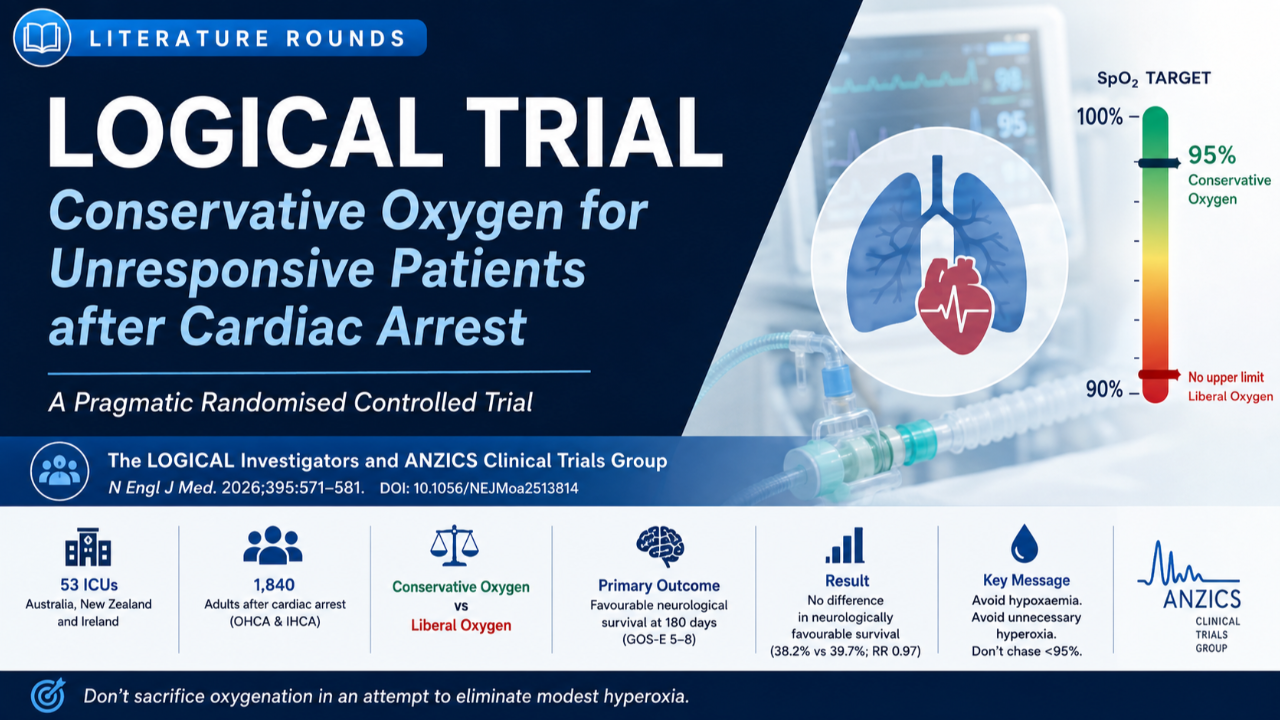
We review the LOGICAL trial, that directly addresses the question of how aggressively we should avoid hyperoxia after ROSC.
THE TRIAL
The LOGICAL Inv...
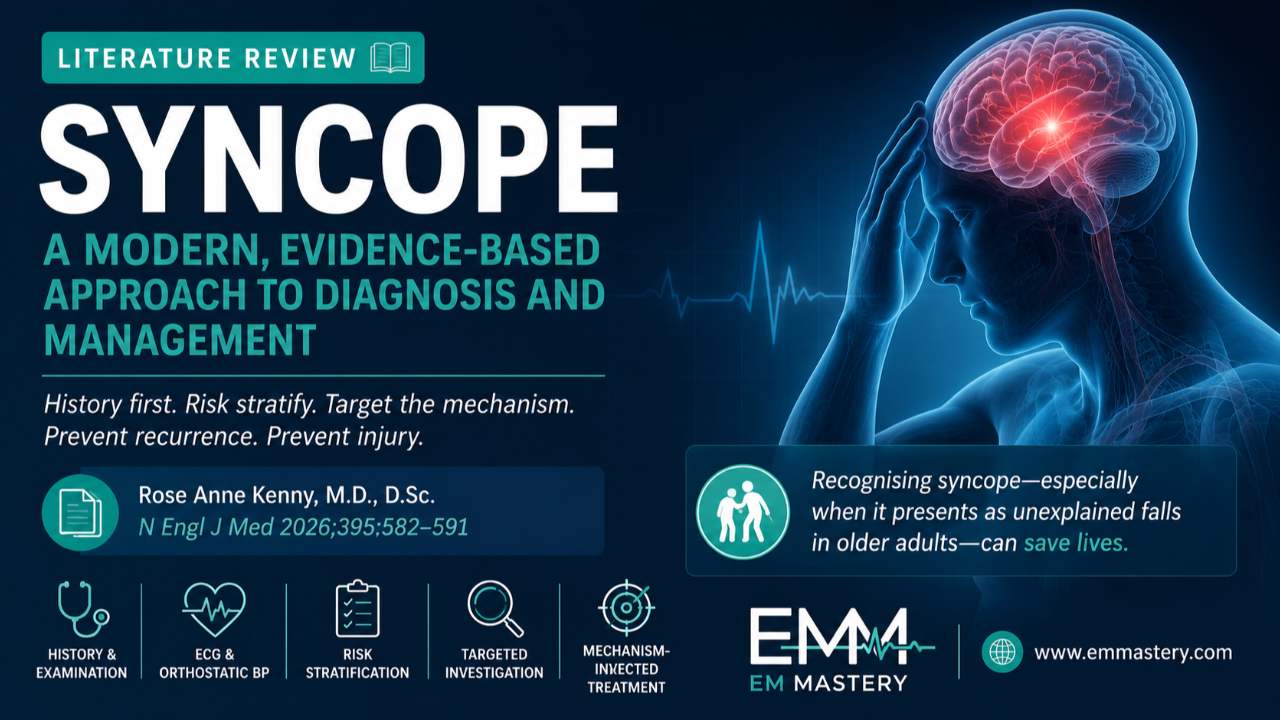
Syncope accounts for a significant proportion of Emergency Department presentations and hospital admissions.
Despite this, many patients undergo exte...
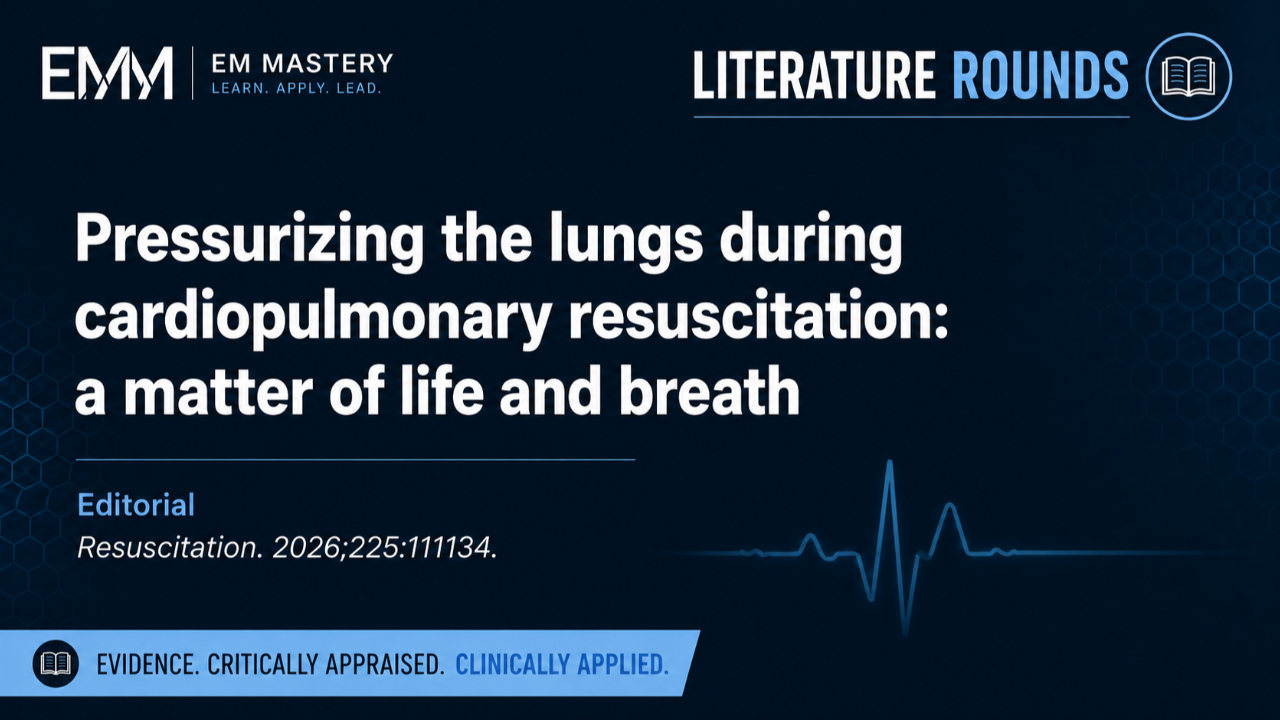
A recent study by Segond et al. reviewed in Literature Rounds here, showed worse outcomes with continuous insufflation of oxygen (CIO) via a Boussign...
Oxygenation and ventilation during CPR is perhaps one of the lesser studied areas in cardiac resuscitation. The use of Bag-Valve-Mask(BVM), is still t...

A recent review article published in the New England Journal of Medicine, looked at currently available and emerging pharmacological antidotes to reve...
Selected Articles
Join the Newsletter
Receive updates in your inbox and start today!
