

Advanced airway is seen as a definitive and reliable means of establishing protected ventilation and oxygenation. It has been shown to improve ROSC...

This is a review of the Pragmatic Trial Examining Oxygenation Prior to Intubation (PREOXI) trial(1). (12 minute read)
The aim of this trial was to ...

Paroxysmal Supraventricular Tachycardia (PSVT), is a non-ischaemic tachyarrhythmia, with which patients, not uncommonly, present to the emergency d...

The HALT-IT Trial(1) is an important trial and one we should know well. It looks at the use of Tranexamic Acid (TXA) in gastrointestinal bleeding. P...

Upper Gastrointestinal bleeding (UGIB) affects approximately 1 in 1000 of the population per year and has an overall mortality of up to 10%.
The cau...

A 28 yo otherwise well patient has presented to the emergency department with an imminent delivery. The baby is delivered and there is some vaginal...

Tonsillectomy is a common paediatric procedure. It may be a simple palatine tonsillar procedure or more complicated with adenoid removal. Unless mo...

What are stroke mimics?
- They don't follow stroke syndromes
- The are not sudden onset
- Their severity fluctuates
- They may have other systemic signs ...

Dr Andrew Perry looks at using Ketamine for analgesia.
.
.
.
.

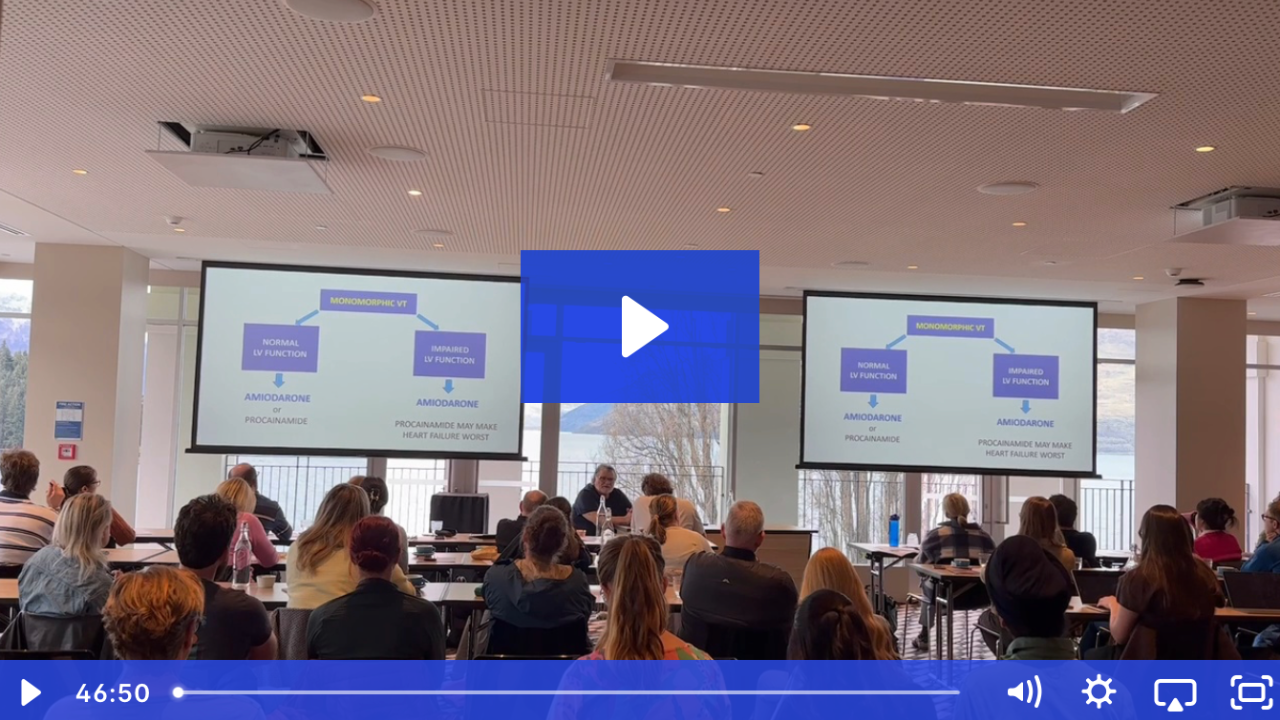
A 40 yo male is brought in by ambulance following a collapse His GCS at the scene was 3 Paramedics found his rhythm to be VT and he was given 11 s...

AIRWAY PEARLS
- Consider every case a difficult Intubation due to effects on anatomy and physiology
- Normal airway techniques may not be effective ...

A 68 yo patient is brought into the ED, post cardiac arrest.
The patient collapsed whilst out. Down-time was approximately 5 minutes; bystander CPR ...

Selected Articles
Join the Newsletter
Receive updates in your inbox and start today!
