
In This Issue:
🫀 ECG Challenge: 1 patient, 3 arrhythmias... What do you do next?
💔 Topic Review: Resuscitating Kids: It's all in your mind(lecture)
📋 Lit Rounds: Unexplained Syncope and early arrhythmia detection?

EMCORE Melbourne
19-21st March 2027
We start with a 68 yo arriving with chest pain and APO. Sats are low and blood pressure is not recordable. What do you do next? This real time resuscitation is unveiled as we work on the patient on stage. As it unravels, we regroup to work out the best approach to take.
As the case is resolved you want to take a break, but not just yet.... A hypoxic, clammy patient, who can't take a breath is wheeled into resus.....
We then look at TRAUMA UPDATES and multiple HALO Procedures and then... the one month old that comes in shocked and the simple and ingenious pearls to help us resuscitate.
We look at arrhythmias, intubation pearls, ventilation pearls and Cardiology topics like SCAD, SADS, SCAPE and Syndrome X.
On the final day, vertebral dissections, Mimics and Chameleons, GBS Then tox, agitation, sedation, literature reviews and more.
3 days of total immersion:
RESUSCITATION | TRAUMA | HALO PROCEDURES | PAEDIATRICS |
AIRWAY | RESPIRATORY | CARDIOLOGY | NEUROLOGY |
LITERATURE ROUNDS
ECG Challenge:
A 49 yo with asthma, anaphylaxis and arrhythmias
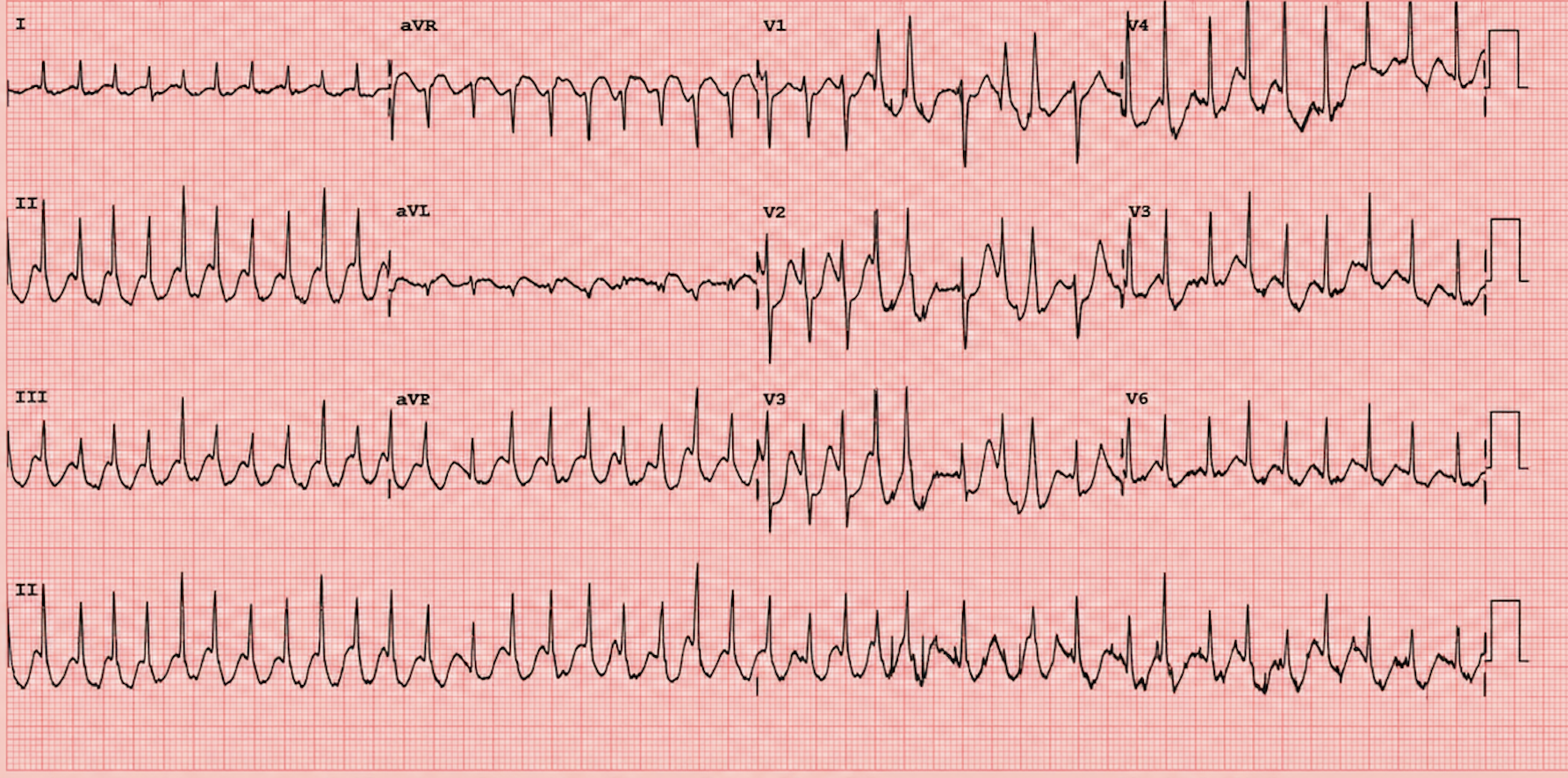
A 49 yo female patient with a history of asthma and anaphylaxis presents to the emergency department with increasing SOB. She has been treated with Salbutamol and ipratropium, however the team become suspicious for anaphylaxis and treat with IM 0.5mg adrenaline.
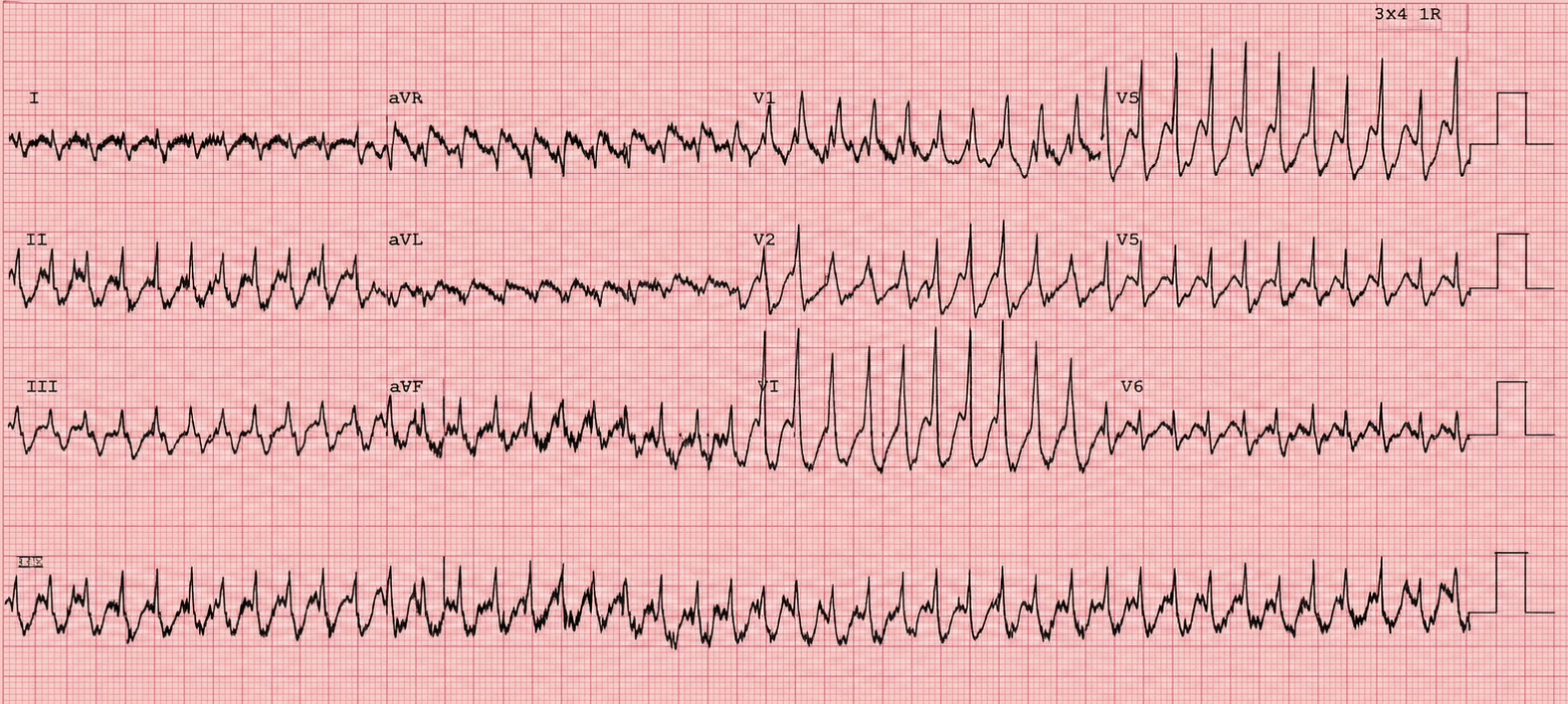
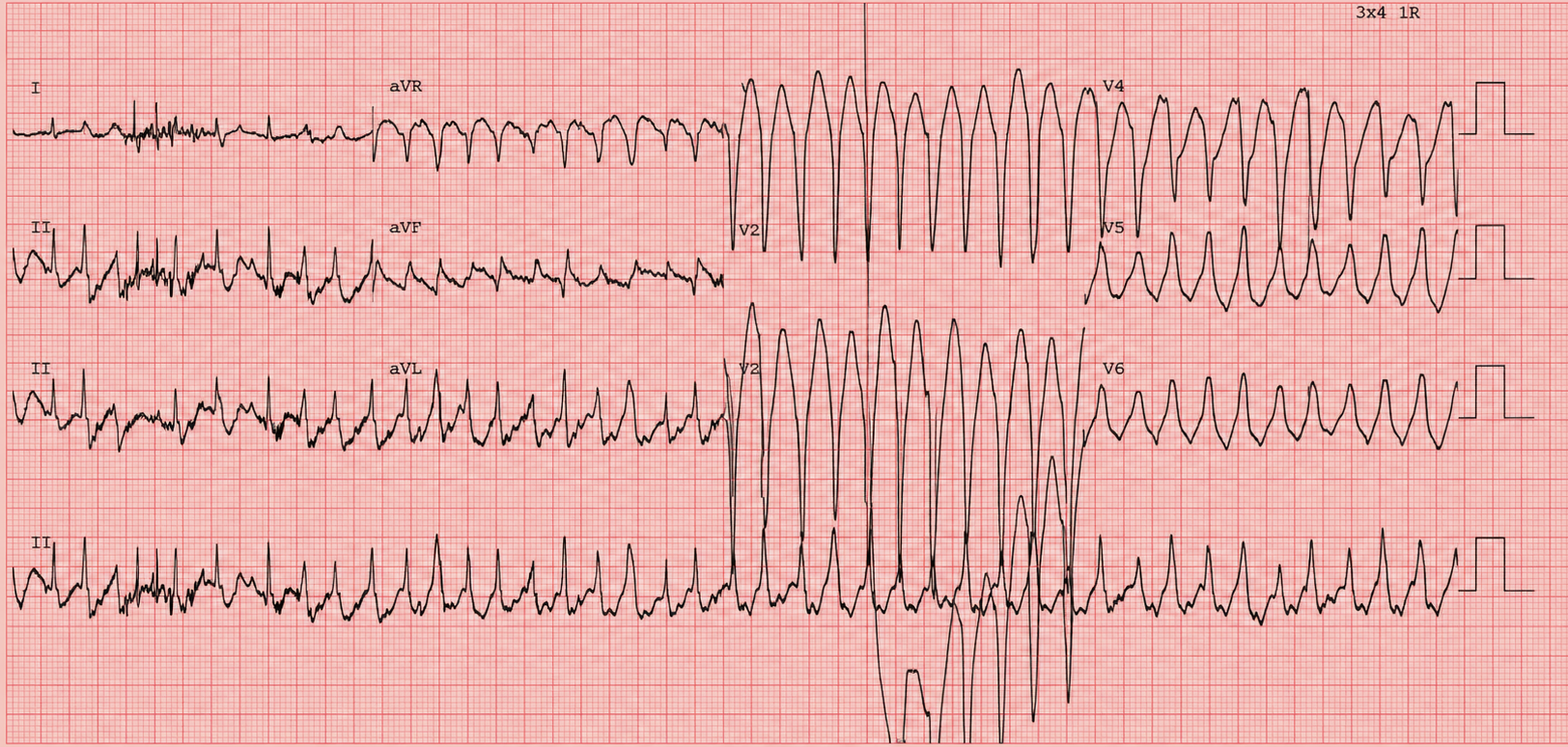
The patient soon develops an arrhythmia that changes morphology.
Here are 3 ecgs. What do they show? Your choices are:
(a) VT
(b) AF with WPW
(c) AF
(d) Atrial Flutter with a RBBB
(e) SVT with Aberrancy
(f) Atrial Flutter with a LBBB
How would you treat this patient?
QUICK NOTE: The initial diagnosis by the consultant was AF with WPW and Amiodarone was commenced. Was that the right diagnosis? Would that have been the right medication? The answer is that the diagnosis was wrong, otherwise the Amiodarone, would have had potentially fatal consequences.
Read the Full Case on ECG Challenge
ECG 1
ECG 2
ECG 3
CARDIAC BOOTCAMP MEMBERS can go to ECG CHALLENGE.
Answers to the ECGs are at the bottom of this Newsletter.
Topic Review:
Resuscitating Kids: It's all in your mind
Resuscitating Children is stressful. It's a HALO event.
That very sick child often has no reserve.
Below is a lecture delivered a few years ago at EMCORE in Melbourne, by the the very clever Dr Sam Bendall- Emergency Physician, Retrieval Physician and Resuscitation junkie.
I've listened to this lecture at least 10 times. It really makes me appreciate that I can take the skills I have in adult resuscitation and with a few modifications use them in children.
A great quote to take away:
"Children may not be small adults....but they're not aliens!"
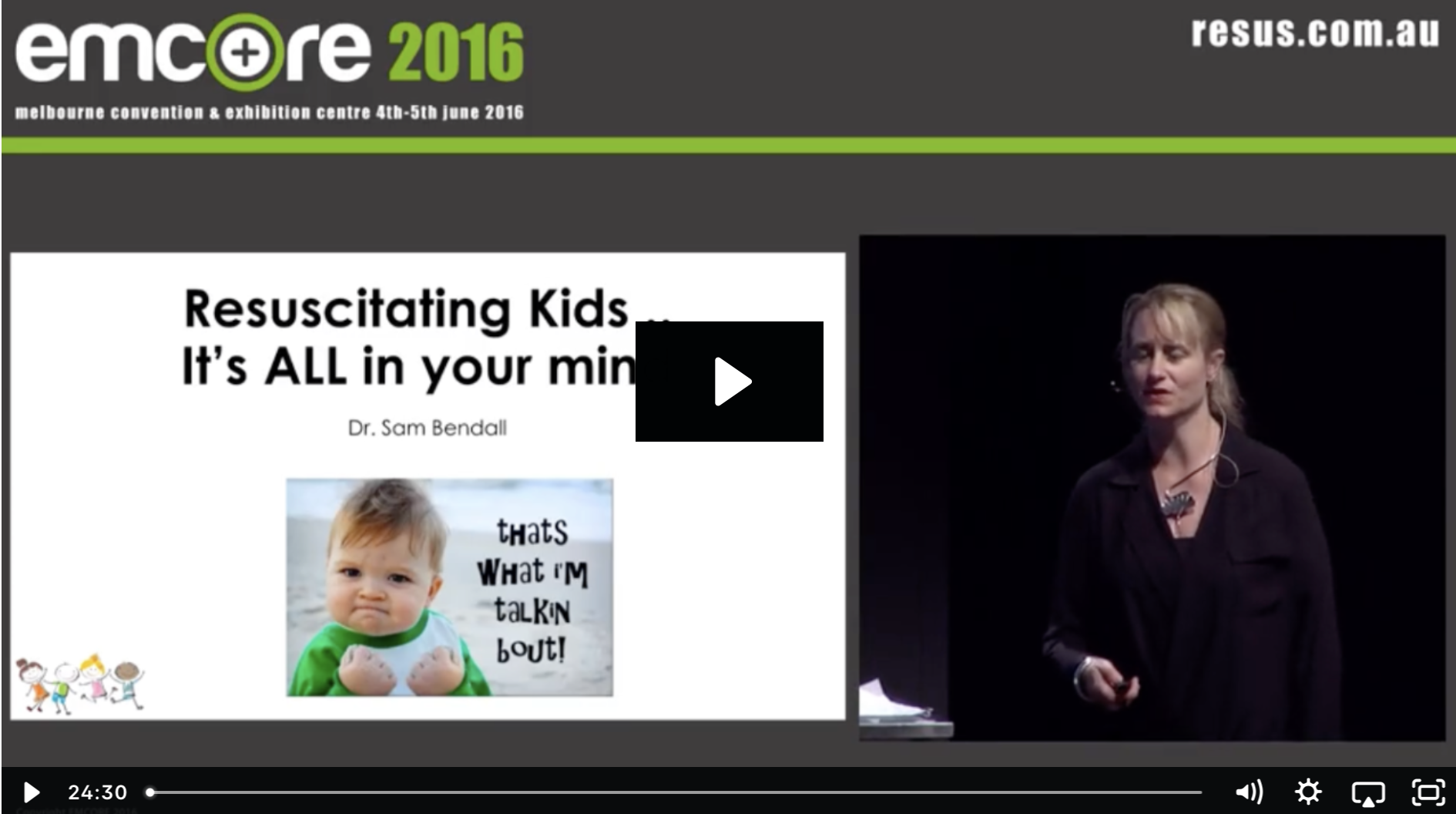
Watch the Full Lecture on Open Access on EM Mastery
EMCORE Singapore 14th-16th April 2027

Interactive sessions, debates, live resuscitations and more.
Three days of high-intensity Emergency Medicine education in one of Asia's most dynamic cities. Join clinicians from across the region for an experience that will sharpen your practice.
THE STUDY
The ASPIRED Trial. Reed MJ, et al. Immediate Ambulatory Electrocardiographic Monitoring in Syncope. NEJM. 2026;395:1691–1702
50% of patients who present with syncope, have no cause identified at presentation. Even though we have 3 main causes of syncope ie., neurocardiogenic, postural hypotension and cardiac, we may not be able to get a diagnosis.
There is some evidence that if arrhythmias are suspected then early monitoring and detection, is more likely to pick up abnormalities.
The ASPIRED (Accelerated Syncope Protocol in Randomised Emergency Department Patients) Trial looked at the effects of 14-day cardiac monitoring, initiated at the index visit to the emergency department, as compared with standard care.
This was an open label randomised superiority trial.
Key Findings:
-
More arrhythmias detected: 22% vs 9%.
-
Earlier diagnosis: 22 vs 54.5 days.
-
More pacemakers implanted: 6.8% vs 4.6%.
-
No significant reduction in recurrent syncope: 27.9% vs 28.6%.
-
Lower mortality: 1.5% vs 2.9%, although this secondary finding requires confirmation.
The Take-Home Message
Early prolonged ECG monitoring identifies more arrhythmias and leads to more interventions, but does not reduce recurrent syncope. The possible mortality benefit may warrants further investigation as it is a secondary outcome.
The key question: Are we simply detecting more arrhythmias, or are we having an impact on survival?
Read the Full Literature Review
Answers to the ECG Challenge
1.c - If this had been AF with WPW, then Amiodarone would have blocked the AVN and allowed all complexes to pass down the accessory pathway, which would send the ventricle into fibrillation, very quickly. If we did that with Adenosine, we might be OK due to the half life of the drug. But not with Amiodarone, which has a half life of over 40 days.
2.d
3.f
Read the rest of the CASE and the solutions to treatment and causes on Cardiac Bootcamp's ECG Challenge.
WANT TO WATCH LECTURES AND TRY SOME QUIZZES?
TRY EMMASTERY CORE MEMBERSHIP

That's all I've got for you this week.

Forward to someone, that may benefit from the newsletter.
Now you can view all of our newletters and sign up for the newsletter here.
Follow me @drpeterkas on Instagram , Facebook and Youtube
Find out about our next EMCORE Conference



Responses